
The Difference Between Sciatica and Low Back Pain
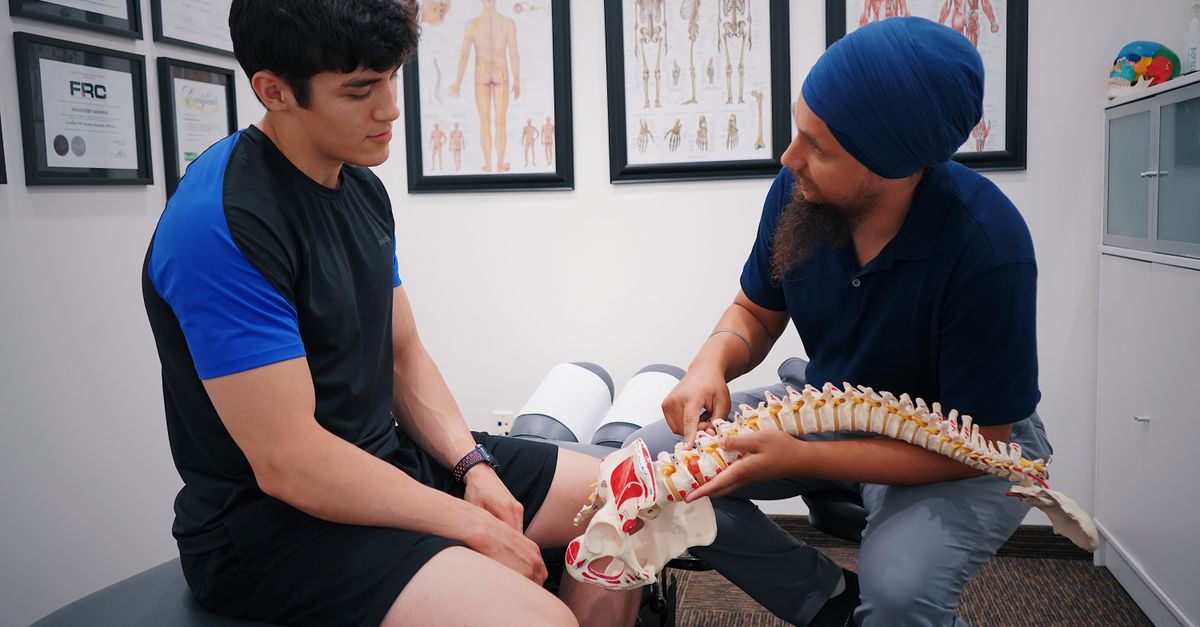
Houston Chiropractor Comments: The internet is an amazing instrument, but it does not always give you the correct information. I recently had a new patient come in who was convinced that he had “sciatica.” He had Googled his symptoms, and the internet told him he had sciatica. He talked with his friends and they agreed with him. When I examined him, he did not show signs of sciatica; instead, he had mechanical low back pain. Here is an explanation of the differences.
Based on clinical literature indexed in the National Library of Medicine (NIH/PubMed), the fundamental difference between low back pain and sciatica lies in the source and pathway of the pain. Low back pain (often termed axial or mechanical pain) is localized discomfort originating from spinal muscles, ligaments, or joints, whereas sciatica (clinically known as lumbar radicular pain or radiculopathy) is neuropathic pain caused by irritation or compression of a spinal nerve root that radiates down the leg.
Clinical Comparison: Low Back Pain vs. Sciatica
Medical reviews in NIH StatPearls and JAMA distinguish the two conditions across several diagnostic dimensions:
| Clinical Feature | Nonspecific Low Back Pain (Axial) | Sciatica (Lumbar Radicular Pain) |
|---|---|---|
| Primary Origin | Local musculoskeletal structures, including lumbar muscles, ligaments, facet joints, and intervertebral discs. | Irritation, inflammation, or mechanical compression of the lumbosacral nerve roots (typically L4 through S3). |
| Pain Location | Centered across the lower back (between the bottom of the ribs and the gluteal fold), occasionally aching into the buttocks or upper thighs. | Travels along the sciatic nerve pathway on one side, shooting past the buttock down the back or side of the leg, often below the knee into the foot. |
| Pain Quality | Dull, aching, stiff, throbbing, or localized soreness. | Sharp, burning, shooting, or electric-shock sensations. |
| Neurological Signs | Absent. Sensation, reflexes, and leg strength remain normal. | Frequently includes paresthesia (“pins and needles”), numbness, diminished reflexes, or focal muscle weakness (such as difficulty lifting the foot). |
| Common Causes | Muscle strains, ligament sprains, degenerative disc changes, or facet joint arthritis. | Lumbar disc herniation (most common), lumbar spinal stenosis, or spondylolisthesis. |
Key Clinical Nuances in Medical Literature
- Pain mechanisms differ: Research published on PubMed Central emphasizes distinguishing nociceptive pain (tissue strain or joint inflammation) from neuropathic pain (nerve root injury). While mechanical low back pain can occasionally cause a dull “referred” ache in the upper thigh, true sciatica follows a specific nerve root distribution (dermatome) and involves chemical sensitization or physical pinching of the nerve itself.
- Overlap and severity: A patient can experience both conditions simultaneously, or have sciatica without any lower back pain at all. Cohort studies indexed on PubMed Central show that patients whose low back pain is accompanied by radicular leg pain generally experience higher pain intensity and greater functional disability than those with localized low back pain alone.
- Diagnostic testing: During a physical exam, clinicians often use the Straight-Leg Raise test to tell them apart. Lifting the straightened leg while lying flat stretches the L5 and S1 nerve roots, reproducing sharp leg pain in sciatica, whereas localized mechanical back pain typically does not trigger radiating nerve symptoms.
When to Seek Immediate Medical Care
According to NIH guidelines on radicular back pain, most cases of both acute low back pain and sciatica improve within 4 to 6 weeks with conservative chiropractic care. However, immediate emergency evaluation is required if back or leg pain is accompanied by “red flag” symptoms, including:
- Sudden bowel or bladder incontinence or difficulty urinating.
- Saddle anesthesia, which is numbness or tingling in the groin, buttocks, or inner thighs.
- Progressive or severe muscle weakness in one or both legs.
At Beecher Chiropractic Clinic, we have 36 years of getting patients well with sciatica and mechanical low back pain. We then give you home-based exercises and stretches so that you can maintain your gains and experience the pleasure of health.
Related: Benefits of Beecher Chiropractic for Sciatica and Houston Traffic + Desk Jobs = Low Back Pain
Dr. Ward Beecher practices at Beecher Chiropractic Clinic at 1001 Pineloch, Ste 700, Houston, TX 77062. You can schedule an appointment at www.BeecherChiropractic.com or by calling (281) 286-1300. For more tips like these, follow us on Facebook and X!