
Chiropractic Care for Gluteal Pain
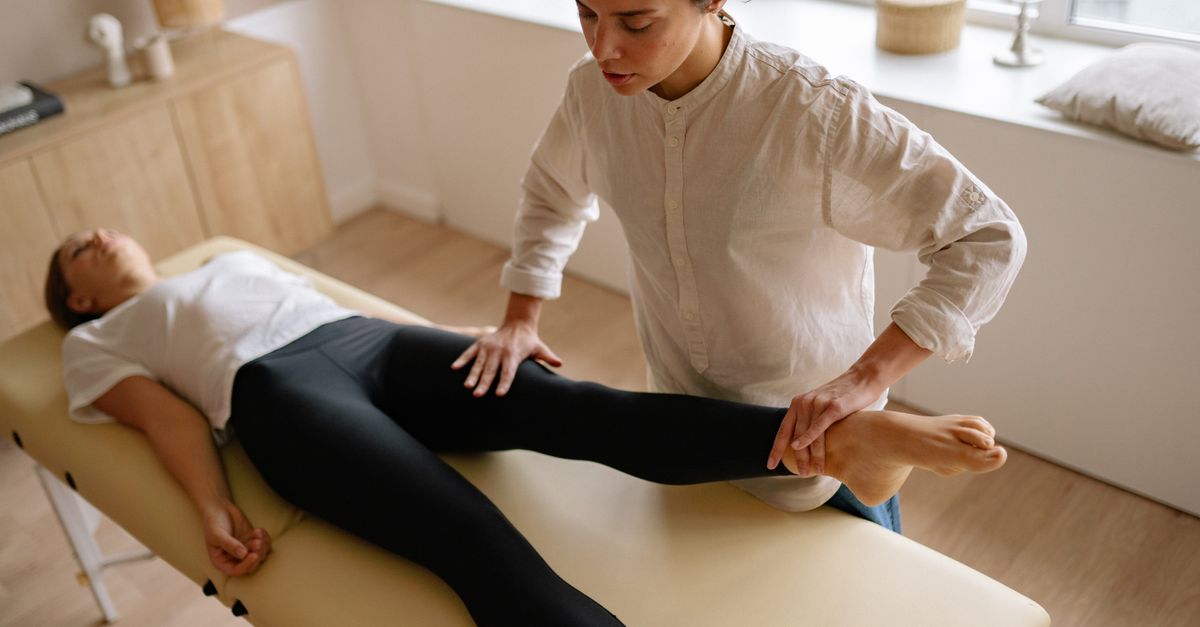
Houston Chiropractor Comments: Patients in my Houston, Texas office will come in stating that they have pain in their butt. Not the term that I would use, but it lets me know where they are experiencing discomfort.
Chiropractic care addresses gluteal (buttock) pain by evaluating the lumbar spine, pelvis, and hip joints to treat root causes like piriformis syndrome, gluteal tendinopathy, or nerve compression.
According to peer-reviewed data indexed in the National Institutes of Health (NIH) PubMed database, chiropractic interventions provide relief by combining joint manipulation with soft tissue therapies, education, and rehabilitative exercises. [1, 2, 3, 4]
Common Causes of Gluteal Pain Treated by Chiropractors
- Piriformis Syndrome: Tightness or spasm in the piriformis muscle irritates or compresses the adjacent sciatic nerve, causing deep buttock pain that can radiate down the leg.
- Gluteal Tendinopathy: Overuse or muscle weakness irritates the tendons of the gluteus medius or minimus, leading to lateral hip and buttock pain.
- Sacroiliac (SI) Joint or Lumbar Dysfunction: Misalignments in the lower back or pelvis cause surrounding muscles to overcompensate, tighten, and refer pain into the glutes.
- Muscle Imbalances & Weakness: Sedentary habits, prolonged sitting, or poor movement patterns weaken the core and gluteal stabilizers.
Chiropractic Treatment Approaches
| Modality | Intended Clinical Benefit | Applied Conditions |
|---|---|---|
| Spinal & Pelvic Manipulation | Restores alignment, corrects altered hip mechanics, and decompresses lower lumbar nerve roots. | Lumbar radiculopathy, sacroiliac joint dysfunction, piriformis syndrome. |
| Myofascial Soft Tissue Therapy | Relieves spasms, reduces tension in deep hip rotators, and clears inflammatory metabolites. | Piriformis syndrome, deep gluteal muscle tightness. |
| Load Management & Posture Advice | Educates patients on avoiding tendon compression (e.g., stopping leg-crossing or sleeping without hip support). | Gluteal tendinopathy, trochanteric pain syndrome. |
| Progressive Loading Exercises | Rebuilds tendon resilience using isometric holds transitioning into eccentric-concentric strengthening. | Chronic gluteal muscle weakness, tendinitis. |
Dr. Ward Beecher practices at Beecher Chiropractic Clinic at 1001 Pineloch, Ste 700, Houston, TX 77062. You can schedule an appointment at www.BeecherChiropractic.com or by calling (281) 286-1300. For more tips like these, follow us on Facebook and X!
Why Do Some People Feel Worse After Seeing A Chiropractor?

Houston Chiropractor Comments: While most people feel better after getting adjusted in our Houston, TX office, some people notice an increase in discomfort when they begin care.
Some individuals may experience an initial worsening of symptoms after a chiropractic adjustment due to a variety of reasons, including temporary muscle soreness, increased inflammation, or the release of toxins. Additionally, pre-existing conditions like herniated discs or spinal stenosis can be aggravated by adjustments temporarily.
According to research indexed in NIH PubMed, it is common for some people to feel worse after a chiropractic adjustment because of benign, transient adverse reactions to spinal manipulative therapy. Prospective clinical studies published in PubMed reveal that between 30% and 61% of patients experience temporary side effects following treatment, which are typically mild-to-moderate and resolve within 24 to 48 hours. [1, 2]
Here’s a more detailed explanation:
- Muscle Soreness and Discomfort: Adjustments can cause muscle soreness and discomfort as the body adapts to the change in alignment. This is similar to how muscles feel after a strenuous workout.
- Inflammation: The adjustments can sometimes increase inflammation in the affected area, leading to temporary pain and stiffness.
- Release of Toxins: Some practitioners believe that adjustments can trigger the body’s detoxification process, causing temporary symptoms like fatigue, headaches, or even flu-like symptoms.
- Pre-existing Conditions: If someone has a pre-existing condition like a herniated disc or spinal stenosis, the adjustment could exacerbate these conditions and cause increased pain temporarily.
- Poor Technique: In rare cases, improper or forceful adjustments can lead to misalignment or injury, worsening pain.
- Individual Sensitivity: Some individuals are simply more sensitive to the adjustments and may experience more discomfort than others. This is why experienced chiropractors know a variety of techniques. The doctor can find the type of adjustment that is best for the individual patient.
Rare and Severe Risks:
While the vast majority of post-chiropractic discomfort is physiological and safe, PubMed case reports warn of rare but severe complications that cause worsening symptoms. These include herniated disc progression, nerve root compression like cauda equina syndrome, or vascular complications like vertebral artery dissection (which carries a minor risk of stroke following high-velocity neck adjustments). [1, 2]
Seek emergency care immediately if a post-treatment flare-up involves severe progressive numbness, weakness in the limbs, groin numbness, or sudden dizziness/vision changes. [1]
It’s important to communicate any concerns or worsening pain to the chiropractor, as they can assess the situation and adjust the treatment plan accordingly. In most cases, the symptoms subside within a few days, and the long-term benefits of chiropractic care outweigh the initial discomfort.
Dr. Ward Beecher practices at Beecher Chiropractic Clinic at 1001 Pineloch, Ste 700, Houston, TX 77062. You can schedule an appointment at www.BeecherChiropractic.com or by calling (281) 286-1300. For more tips like these, follow us on Facebook and X!
Benefits of Chiropractic Care for Neck Pain

Clear Lake / Webster Chiropractor Comments: After 37 years as a Doctor of Chiropractic (DC) in the Clear Lake area of Houston, I was surprised by a comment from a medical colleague. This MD has referred patients to me for several years but did not know that medical studies show the benefit of Chiropractic care for neck pain. They stated that they referred patients to us because of the high patient satisfaction rate and not because of the science behind our treatment.
Chiropractic care provides clinically meaningful reductions in neck pain and improves flexibility in the cervical spine through targeted spinal manipulation and manual therapies.
Here is a breakdown of the primary benefits, clinical evidence, and medical studies supporting these treatments for neck pain.
Key Benefits of Chiropractic Care for Neck Pain
- Pain Intensity Reduction: Manual adjustments help decrease sharp aches, soreness, and chronic pain signals originating from the cervical joints.
- Improved Range of Motion: Treatments loosen tight surrounding muscles and unblock restricted joints, making it easier to turn and tilt the head.
- Decreased Disability: Restoring normal movement helps patients return to daily tasks, work, and physical activities with less functional limitation.
- Lower Reliance on Medication: Conservative manual care offers a non-pharmacological alternative to manage mechanical neck strain and reduce reliance on pain relievers.
Medical Citations and Clinical Evidence
Medical literature and clinical trials support the use of chiropractic interventions for mechanical and chronic neck pain:
- Acute Neck Pain: Research published in the National Institutes of Health PMC Archive by Haneline and Cooperstein demonstrated that chiropractic care yields noticeable improvements in pain and disability scores for patients with acute neck pain.
- Long-Term Recovery Outcomes: A prospective cohort study indexed at PubMed evaluated patients undergoing chiropractic care for neck pain and found that roughly two thirds of patients reported being recovered at 3 and 12 months, concluding that the benefits outweigh the risks.
- Disability Index Improvements: A retrospective case series available via the NCBI PMC Database noted a 59.2% average decrease in the Neck Disability Index following targeted upper cervical chiropractic care.
- Comparative Trial Data: The UCLA Neck-Pain Study, detailed in this PMC Clinical Trial Report, found significant and comparable pain and disability reductions over 6 months using both cervical manipulation and mobilization techniques.
How Chiropractic Treatments Work
- Joint Realignment: Chiropractors apply precise, controlled pressure to restricted vertebrae to restore proper joint mechanics.
- Synovial Fold Release: Adjustments can physically open joint spaces that have become stuck due to trapped micro-structures or folded membranes inside the joint.
- Nervous System Optimization: Proper alignment reduces localized nerve and tissue irritation, allowing surrounding neck and shoulder muscles to relax.
Dr. Ward Beecher practices at Beecher Chiropractic Clinic at 1001 Pineloch, Ste 700, Houston, TX 77062. You can schedule an appointment at www.BeecherChiropractic.com or by calling (281) 286-1300. For more health tips and clinic updates, follow us on Facebook and X (Twitter)!
What Questions Should You Ask Your Chiropractor On Your First Visit?

Houston Chiropractor Comments: As a practicing Doctor of Chiropractic (DC) for over 37 years, I have learned the value of asking questions. The first thing that I do in my Clear Lake / Webster area clinic when I meet a new patient is ask them if they have any questions for me. Some patients have been to other doctors or have relatives/friends that have been to a chiropractor before, and they want to know if we do a specific type of treatment or have a specific philosophy about healthcare. Most patients say that it is their first time to a chiropractor and do not know what questions to ask.
Below I will let you know what you should ask your doctor during your consultation to make the best use of your visit.
Understanding Your Diagnosis
- What is the underlying cause of my neck pain? (Ask if it is muscle strain, a joint issue, nerve compression, or a disc problem.)
- Will I need X-rays or an MRI before we begin treatment?
- Are there any activities, sleeping positions, or habits I should avoid while my neck is healing?
The Treatment Plan
- What specific chiropractic techniques do you plan to use for my neck? (Ask if he/she will use manual spinal adjustments, gentle mobilization, or instrument-assisted adjustments.)
- Are there any risks or side effects associated with this specific treatment?
- Do you offer complementary therapies here, such as physical therapy, massage therapy, or core exercises?
Expected Timeline & Results
- How long do you expect it will take before I feel noticeable relief?
- How many visits do you anticipate I will need for this initial phase of care?
- How will we measure my progress to know if the treatment is working?
Home Care & Prevention
- What can I do at home to help my recovery? (Ask about specific stretches, exercises, or using ice vs. heat.)
- Can you check my posture or workstation setup? (Poor ergonomics at a desk or looking down at a phone is a very common trigger for neck pain.)
Dr. Ward Beecher practices at Beecher Chiropractic Clinic at 1001 Pineloch, Ste 700, Houston, TX 77062. You can schedule an appointment at www.BeecherChiropractic.com or by calling (281) 286-1300. For more health tips and clinic updates, follow us on Facebook and X (Twitter)!
Benefits of Beecher Chiropractic for Sciatica

Chiropractic care for sciatica focuses on non-invasive, drug-free relief by targeting the underlying structural issues that compress or irritate the sciatic nerve. The sciatic nerve runs from the lower back down through the legs, and when vertebrae or spinal discs shift out of place, they can trigger intense radiating pain, numbness, and tingling.
Key Benefits of Beecher Chiropractic Care
- Direct Nerve Pressure Relief: The primary goal of a chiropractic adjustment is to correct spinal misalignments (subluxations). Realigning the vertebrae takes direct physical pressure off the sciatic nerve, which immediately helps reduce shooting pain and numbness.
- Reduced Inflammation: Misaligned joints and herniated discs create localized inflammatory responses that further irritate the nerve. Manual adjustments and complementary therapies help improve blood flow, promoting the body’s natural healing and reducing swelling.
- Restored Mobility and Flexibility: Sciatica often causes individuals to restrict their movement, which inadvertently leads to joint stiffness and muscle guarding. Chiropractic care restores a healthy range of motion, allowing you to move more freely without triggering flare-ups.
- A Natural, Non-Invasive Option: For individuals looking to avoid the side effects of daily pain medications or the risks and downtime associated with spinal surgery, chiropractic care provides a conservative alternative.
- Prevention of Recurrence: Beyond addressing acute pain, chiropractors focus on long-term rehabilitation. By improving posture, strengthening supporting core muscles, and teaching ergonomic adjustments, care helps prevent the sciatica from returning.
Common Techniques Used for Sciatica
Chiropractors do not rely solely on standard spinal manipulation; they utilize a multi-modal approach depending on the root cause of your sciatica.
- Manipulation: Depending on the severity of your sciatica and underlying health, chiropractors may manipulate your spine manually, using an instrument to minimize your motion, or use pelvic blocks to allow the weight of your body to help realign your spine.
- Physical Modalities: Use of modalities such as electrical stimulation, traction, ultrasound, or heat/ice can help decrease inflammation and reduce the muscle spasms around the inflamed nerve.
- Manual Therapies: Targets tight piriformis muscles or deep gluteal tissues that may be trapping the sciatic nerve.
- Self-Guided Stretches: Teaches specific movements, like neural flossing, to gently glide the nerve through its pathway and improve mobility.
Safety and Considerations
Chiropractic care is widely considered safe and highly effective for acute sciatica, particularly cases stemming from spinal misalignment or muscle tightness. However, it is not ideal for every scenario. If your sciatica is caused by severe joint laxity (joints that are already too loose), certain adjustments can be counterproductive. It is important that you are treated by a Doctor of Chiropractic (DC) with knowledge and experience in a variety of types of spinal manipulation.
Dr. Ward Beecher practices at Beecher Chiropractic Clinic at 1001 Pineloch, Ste 700, Houston, TX 77062. You can schedule an appointment at www.BeecherChiropractic.com or by calling (281) 286-1300. If you have any questions regarding this blog, please comment below!
Why Do Patients Recommend Beecher Chiropractic?

Houston Chiropractor Comments: I recently had a new patient come into my Houston, TX office. When I asked her who referred her, she said several people had mentioned my clinic, from work and from the gym. She told me that she then asked her AI search engine, “Why do patients recommend Beecher Chiropractic?” This is what it told her.
Beecher Chiropractic Clinic in Houston is highly recommended by patients for a combination of exceptional care, personalized attention, and a welcoming environment.
- 1. Personalized, thorough care: Patients often praise the doctor for taking time to explain diagnoses, treatment plans, and the reasoning behind adjustments. Many note that Dr. Ward Beecher can “pinpoint exactly what’s wrong” and address the root cause of issues, not just symptoms. This level of detail builds trust and confidence in the treatment.
- 2. Effective results: Long-term and short-term patients report significant improvements in pain relief, mobility, and overall well-being. Many describe feeling “like a brand new person” after just a few visits, with some conditions like sciatica, herniated discs, and post-car accident injuries showing marked progress.
- 3. Friendly, professional staff: The clinic is known for its polite, personable, and knowledgeable staff, who make patients feel comfortable and respected. Receptionists and therapists are often highlighted for their friendliness and helpfulness.
- 4. Comfortable, clean environment: Patients appreciate the calm, clean, and welcoming space, with amenities like massage tables before adjustments and a focus on patient comfort during treatments.
- 5. Consistency and long-term trust: Many patients have been coming for years, citing loyalty and satisfaction. Longtime clients say they “would not go anywhere else” and trust the clinic’s approach for ongoing care.
- 6. Specialized, patient-centered services: The clinic offers targeted care for back pain, disc issues, whiplash, and post-injury rehabilitation, with movement education, posture coaching, and home exercise plans to support recovery.
In short: People recommend Beecher Chiropractic Clinic because they feel heard, respected, and supported, with results they can see, staff they trust, and a practice that values both healing and comfort. This combination of expertise, empathy, and consistency is why it earns consistently high ratings and repeat business.
I might not be the most tech savvy doctor out there, but I do like this sort of response from the internet. 😉
Dr. Ward Beecher practices at Beecher Chiropractic Clinic at 1001 Pineloch, Ste 700 Houston, TX 77062. You can schedule an appointment at www.BeecherChiropractic.com or by calling (281) 286-1300. If you have any questions regarding this blog, please comment below!
Relief From Neck Pain

Houston Chiropractor Comments: One of the more common things that I have treated over the last 36 years in my Houston, Texas office is neck pain. There can be many causes of the pain, but it usually is due to some form of irritation or inflammation of a muscle, joint or nerve. Here are several things that you can do to get relief from the neck pain and experience the pleasure of health.
At-Home Relief Strategies
- Temperature Therapy: Use cold packs to reduce swelling and inflammation right after an injury, and switch to warm showers or heat pads to loosen tight muscles.
- Gentle Movement: Keep your neck moving with slow range-of-motion exercises—such as gently turning your head side-to-side or tilting your ear toward your shoulder.
- Medication: Take nonsteroidal anti-inflammatory drugs (NSAIDs) like ibuprofen or pain relievers like acetaminophen strictly as directed on the package label.
- Ergonomic Adjustments: Position your computer monitor at eye level and use a supportive pillow that maintains your neck’s natural alignment while sleeping.
Persistent Complaints
- Chiropractic Care: If your pain does not resolve after conservative home care, your best option is to consult a Doctor of Chiropractic (DC). Chiropractors are the recognized experts in conservative spinal care. They are trained in how to provide relief without the need for drugs or surgery. Chiropractors use gentle spinal manipulation, physical therapy, stretches and exercises to provide quick, lasting relief.
- Medical Care: If your pain does not resolve with conservative treatment, your DC can refer you to the appropriate medical provider or order any advanced imaging like an MRI.
For expert guidance on persistent symptoms, check the blog overview on neck pain diagnosis and care. Consult a Doctor of Chiropractic (DC) immediately if your pain follows a severe injury, causes numbness or radiating tingling down your arms, or is accompanied by a fever or unexplained weight loss.
Dr. Ward Beecher practices at Beecher Chiropractic Clinic at 1001 Pineloch, Ste 700 Houston, TX 77062. You can schedule an appointment at www.BeecherChiropractic.com or by calling (281) 286-1300. If you have any questions regarding this blog, please comment below!
When Should You Use Ice vs Heat?

Clear Lake Chiropractor Comments: Over my 36 years of practicing in Houston Texas, this is one of the most asked questions from my patients. There is a lot of misinformation and generalizations.
Use ice for acute, new injuries and swelling (typically, but not always, within the first 48 to 72 hours) to constrict blood vessels and numb pain, and use heat for chronic aches, tight muscles, and joint stiffness after initial inflammation has subsided to increase blood circulation and relax tissues.
When to Use Ice (Cold Therapy)
- Acute injuries like a newly sprained ankle, strained muscle, or a bump/bruise
- Visibly swollen, hot, or red areas
- Overuse soreness immediately following intense exercise or a sports impact
- Gout flare-ups or acute tendonitis pain
- If you can point to a specific area and it hurts (even if it is over 72 hours) there is inflammation of a muscle, joint or nerve
When to Use Heat (Thermotherapy)
- Chronic conditions or injuries lasting longer than four weeks
- General muscle stiffness, tension headaches, and muscle cramps
- Lingering low back aches or persistent muscle knots
- Joint stiffness from osteoarthritis (applied before activity or stretching)
Safe Application Guidelines
- Time limits: Limit both ice and heat sessions to 20 minutes at a time.
- Skin protection: Always place a protective barrier—such as a towel or cloth—between your skin and the ice pack or heating source to prevent tissue damage or burns.
- Rest intervals: Wait at least 40 minutes before reapplying either therapy.
- Pre/Post-workout: Use heat before activity to loosen stiff muscles, and ice afterward if swelling or inflammation develops.
Dr. Ward Beecher practices at Beecher Chiropractic Clinic at 1001 Pineloch, Ste 700 Houston, TX 77062. You can schedule an appointment at www.BeecherChiropractic.com or by calling (281) 286-1300. If you have any questions regarding this blog, please comment below!
What Is An Extremity Adjustment?

Houston Chiropractor Comments: It is widely accepted that a Doctor of Chiropractic (DC) is the best healthcare professional to adjust, manipulate or mobilize a spinal joint. Chiropractic doctor’s perform over 1 million spinal adjustments a day with exceptional results. What most people do not know is that DC’s also perform extremity adjustments.
An extremity adjustment is a specialized chiropractic treatment that applies a quick, controlled force or precise manual pressure to joints outside of the spinal column—such as the shoulders, elbows, wrists, hands, hips, knees, ankles, and feet. Just like the vertebrae in the back, the joints in the limbs can become restricted, fixed, or suffer from subtle mechanical dysfunction due to trauma, repetitive motion, or poor posture. The primary goal is to restore normal range of motion, reduce pain and inflammation, and improve overall body mechanics.
Common Areas and Conditions Treated
| Extremity Area | Target Joints | Common Conditions Addressed |
| Upper Body | Shoulders, elbows, wrists, fingers | Rotator cuff, tennis elbow, carpal tunnel |
| Lower Body | Hips, knees, ankles, feet, toes | Plantar fasciitis, ankle sprains, knee tracking issues |
| Other | Jaw (TMJ) | Jaw pain, chewing discomfort, tension |
Benefits of Extremity Adjusting
- Pain Relief: Eases acute or chronic discomfort directly at the site of the restricted joint.
- Restored Mobility: Increases flexibility and overall range of motion (ROM) in the arms and legs.
- Corrects Compensation: Prevents a dysfunctional limb joint from forcing the spine or opposite side of the body to overcompensate and develop secondary pain.
- Improved Balance: Optimizes gait and weight distribution, particularly when adjusting the complex joints of the feet and ankles.
Dr. Ward Beecher practices at Beecher Chiropractic Clinic at 1001 Pineloch, Ste 700 Houston, TX 77062. You can schedule an appointment at www.BeecherChiropractic.com or by calling (281) 286-1300. If you have any questions regarding this blog, please comment below!
What Is The Best Sleeping Position For Your Back?

Clear Lake Chiropractor Comments: After people have experienced back or neck pain, they typically want to know what they can do to prevent it in the future.
The absolute best sleeping position for your back is lying flat on your back (the supine position)with a medium-height pillow under your head and neck and an extra pillow placed underneath your knees. This configuration evenly distributes your body weight, reduces stress on your internal pressure points, and maintains the natural, neutral curve of your spine.
How to Optimize Back Sleeping
- Head and Neck Support: Use a pillow that cradles your head and fills the space behind your neck without pushing your chin toward your chest.
- Knee Support: Place a pillow directly under your knees to “unlock” your hip flexors and prevent your lower back from arching excessively into the mattress.
- Lumbar Roll: Add a small, rolled-up towel under your waist if you notice a gap between your lower back and the bed surface.
- Arm Placement: Keep your arms relaxed at your sides or resting loosely across your stomach rather than raised over your head.
Alternative Positions If Back Sleeping Isn’t Comfortable
- Side Sleeping with Support: Lie on your side with your legs slightly bent and place a firm pillow between your knees to keep your hips, pelvis, and spine aligned.
- Fetal Position: Draw your knees up gently toward your chest (without curling too tightly) if you suffer from a herniated disc or spinal stenosis, as this helps open up space between your vertebrae.
Dr. Ward Beecher practices at Beecher Chiropractic Clinic at 1001 Pineloch, Ste 700 Houston, TX 77062. You can schedule an appointment at www.BeecherChiropractic.com or by calling (281) 286-1300. If you have any questions regarding this blog, please comment below!