
Chiropractic Care for Gluteal Pain
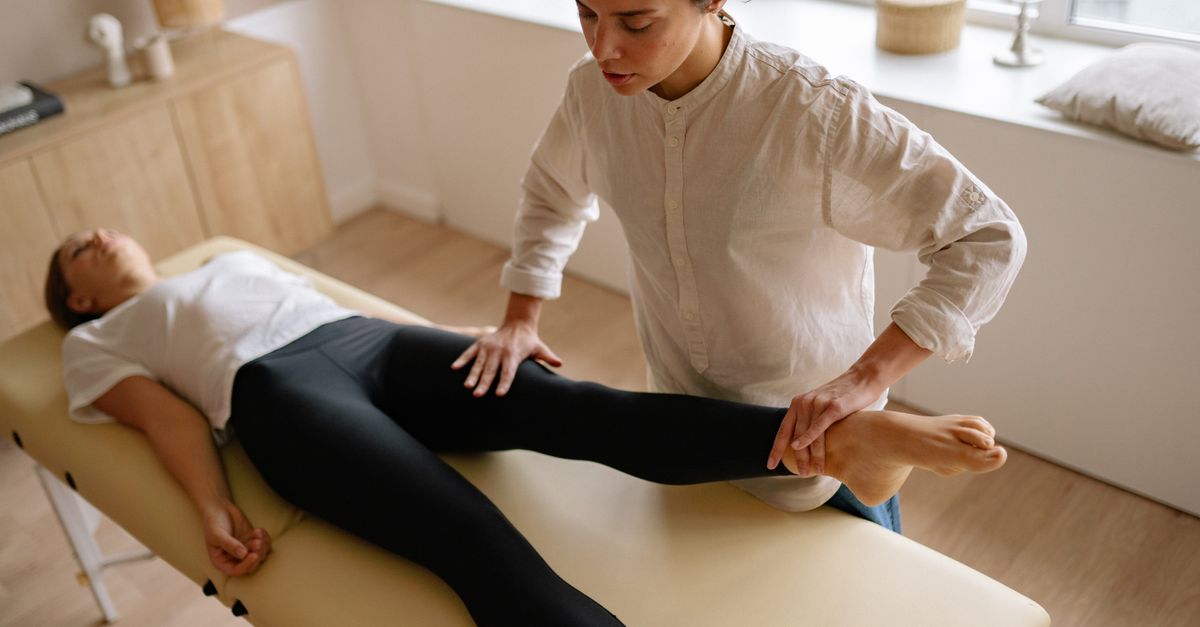
Houston Chiropractor Comments: Patients in my Houston, Texas office will come in stating that they have pain in their butt. Not the term that I would use, but it lets me know where they are experiencing discomfort.
Chiropractic care addresses gluteal (buttock) pain by evaluating the lumbar spine, pelvis, and hip joints to treat root causes like piriformis syndrome, gluteal tendinopathy, or nerve compression.
According to peer-reviewed data indexed in the National Institutes of Health (NIH) PubMed database, chiropractic interventions provide relief by combining joint manipulation with soft tissue therapies, education, and rehabilitative exercises. [1, 2, 3, 4]
Common Causes of Gluteal Pain Treated by Chiropractors
- Piriformis Syndrome: Tightness or spasm in the piriformis muscle irritates or compresses the adjacent sciatic nerve, causing deep buttock pain that can radiate down the leg.
- Gluteal Tendinopathy: Overuse or muscle weakness irritates the tendons of the gluteus medius or minimus, leading to lateral hip and buttock pain.
- Sacroiliac (SI) Joint or Lumbar Dysfunction: Misalignments in the lower back or pelvis cause surrounding muscles to overcompensate, tighten, and refer pain into the glutes.
- Muscle Imbalances & Weakness: Sedentary habits, prolonged sitting, or poor movement patterns weaken the core and gluteal stabilizers.
Chiropractic Treatment Approaches
| Modality | Intended Clinical Benefit | Applied Conditions |
|---|---|---|
| Spinal & Pelvic Manipulation | Restores alignment, corrects altered hip mechanics, and decompresses lower lumbar nerve roots. | Lumbar radiculopathy, sacroiliac joint dysfunction, piriformis syndrome. |
| Myofascial Soft Tissue Therapy | Relieves spasms, reduces tension in deep hip rotators, and clears inflammatory metabolites. | Piriformis syndrome, deep gluteal muscle tightness. |
| Load Management & Posture Advice | Educates patients on avoiding tendon compression (e.g., stopping leg-crossing or sleeping without hip support). | Gluteal tendinopathy, trochanteric pain syndrome. |
| Progressive Loading Exercises | Rebuilds tendon resilience using isometric holds transitioning into eccentric-concentric strengthening. | Chronic gluteal muscle weakness, tendinitis. |
Dr. Ward Beecher practices at Beecher Chiropractic Clinic at 1001 Pineloch, Ste 700, Houston, TX 77062. You can schedule an appointment at www.BeecherChiropractic.com or by calling (281) 286-1300. For more tips like these, follow us on Facebook and X!
The Science Behind Pain Relief After Chiropractic Adjustments

Houston Chiropractor Comments: One of my greatest joys as a Doctor of Chiropractic is getting patients well without drugs or surgery. Patients ask me how I am able to get them lasting relief without OTC medications or prescriptions from their medical doctor.
Chiropractic pain relief comes from restoring proper nerve function, reducing inflammation, and triggering natural painkillers like endorphins through spinal adjustments that improve joint mobility and decrease nerve irritation, helping the body heal by enhancing communication between the brain and body and relaxing tense muscles. Adjustments stimulate sensory receptors (proprioceptors)to send signals to the brain, while realigning joints reduces pressure on nerves and decreases inflammation, leading to reduced pain and improved function.
Key Mechanisms of Pain Relief
- Nervous System Regulation: Misaligned vertebrae can irritate spinal nerves; adjustments correct this, improving nerve signal flow and reducing pain signals.
- Endorphin Release: The manipulation stimulates proprioceptors (sensory receptors in joints) to trigger the release of endorphins, the body’s natural opioids, providing pain relief and a sense of well-being.
- Reduced Inflammation: Adjustments help decrease inflammation in affected tissues, a major contributor to pain, allowing for better healing.
- Improved Joint Mobility: By restoring proper motion to spinal joints, adjustments alleviate stiffness and improve comfort, making daily activities easier.
- Muscle Relaxation: Correcting spinal imbalances reduces tension in surrounding muscles that often tighten to compensate for misalignment, further easing pain.
- Better Blood Flow: Restoring proper spinal alignment can enhance blood flow, supporting the body’s natural repair processes.
Scientific Evidence
- MRI Studies: Research using MRI has shown that chiropractic adjustments can significantly increase joint space (by up to 82%), correlating with reduced pain.
- Improved Function: Studies confirm that patients experience improved spinal mobility and reduced pain after adjustments, with benefits seen in both short-term and long-term settings.
Dr. Ward Beecher practices at Beecher Chiropractic Clinic at 1001 Pineloch, Ste 700 Houston, TX 77062. You can schedule an appointment at www.BeecherChiropractic.com or by calling (281) 286-1300. If you have any questions regarding this blog, please comment below!
Heat or Ice? Which one do I use?

Clear Lake Chiropractor Comments: When people come into our office in Houston, TX, they want to know what they can do to help themselves get better. They also do not want to do anything that will make their problem worse.
Today we’re revisiting a topic we covered back in 2009, a simple guide to help you decide when to use ice and when to use heat:
Use Ice for Acute Injuries
Ice is typically used within the first 48 hours of an injury to reduce swelling and numb pain. It works by constricting blood vessels, which helps decrease inflammation. Common scenarios for applying ice include:
- Sprains
- Strains
- Bruises
- Acute injuries with noticeable swelling
Apply ice for 20 minutes and off for 40 minutes. Always wrap the ice in a cloth or towel to prevent frostbite.
Use Heat for Chronic Conditions
Heat is beneficial for chronic conditions or injuries that have lingered without significant swelling. It helps relax and loosen tissues and stimulates blood flow to the area. Use heat for conditions such as:
- Muscle soreness
- Stiff joints
- Recurring back pain
- Arthritis
Apply heat for 20 minutes and take it off for at least 40 minutes. Be cautious not to use heat immediately after an acute injury as it can increase inflammation.
An easy way to judge your problem is that if you can touch a specific area and it hurts, it is probably acute. The pain is typically inflammation of a muscle, joint, or nerve. If you can touch a specific area and it hurts, use ice even if it has been more than 2 or 3 days.
When in doubt, always consult with a healthcare professional to determine the best course of treatment for your specific injury.
Dr. Ward Beecher practices at Beecher Chiropractic Clinic at 1001 Pineloch, Ste 700 Houston, TX 77062. You can schedule an appointment at www.BeecherChiropractic.com or by calling (281) 286-1300. If you have any questions regarding this blog, please comment below!
How To Maintain Your Wrist Health While on a Computer
Houston Chiropractor Comments: Anyone who has spent time typing on a computer knows that it can make your forearms sore, your wrists achy, and even lead to tingling and numbness in your hand.
The modern office / school environment has people spendings hours every day on a keyboard. This leads to a variety of aches and pains. People present to our Houston, Texas office wearing wrist braces and being told that they need injections or even possible carpal tunnel release surgery.
In addition, they have tried using different keyboards, wrist pads, and even changing their keyboard location.
Most of the time, after examining the patient, we find that it is actually tight muscles from holding the wrists at an unnatural position for hours at a time. The problem is usually resolved with a couple sessions of therapy and then showing the patient how to stretch the wrist correctly so that the problem does not reoccur.
Here is a video for our home stretching program.
Click here for more videos like this one!
Dr. Ward Beecher practices at Beecher Chiropractic Clinic at 1001 Pineloch, Ste 700 Houston, TX 77062. You can schedule an appointment at www.BeecherChiropractic.com or by calling (281) 286-1300. If you have any questions regarding this blog, please comment below!
Is Your Pain Radiating Or Referred?
Clear Lake Chiropractor Comments: You may be under the impression that pain is simply pain, but that isn’t the case to your chiropractor. That’s because where you’re feeling pain may not be the location of the cause of it at all! The type and location of pain you’re experiencing helps your chiropractor to diagnose the underlying problem. Here’s how your chiropractor can tell the difference between referred and radiating pain, and the difference it can make for you.
What is Referred Pain?

Referred pain tends to be pain that is less focal and contained to a general area, an area usually close to the source of the pain. The pain does not travel down specific nerve dermatomes. This type of pain is often associated with trigger points, which your chiropractor is trained to look for when they perform an exam to try to understand the source of your pain.
Trigger points are basically small knots in the muscle where the muscle fibers are contracted and irritated. The resulting pain feels dull and aching, often deep and steady. It can happen when you’re at rest or when you move, and the range in the level of pain you experience can be significant. The pain can result in muscle aches and pains, headaches, low back pain, neck pain, jaw pain, or even mimic symptoms of carpal tunnel syndrome.
What is Radiating Pain?
For many patients who seek the help of a chiropractor, they come in complaining of pain that radiates. That means that it starts in one place but travels to another, usually along the path of a nerve. This type of pain is also called radicular pain and is usually caused by nerve irritation. Pay attention to if the pain crosses 2 or more joints, like from your neck across your shoulder and elbow and into your hand.
A great example of radiating pain is sciatica. If your sciatic nerve is irritated, then it can cause pain across your buttock and down your leg to your toes.
How Can We Help You?
Your chiropractor will do a medical history and examination to try to determine if your pain is referred or radiating. Once they have determined the cause of your pain, they can then begin to treat the underlying condition to alleviate the pain with spinal adjustments and physical modalities.
They can also advise you on changes you may need to make to your lifestyle so that the issue doesn’t reoccur. This may include dietary changes, exercise changes, or a more ergonomic setup at your office with frequent breaks for proper stretching.
Dr. Ward Beecher practices at Beecher Chiropractic Clinic at 1001 Pineloch, Ste 700 Houston, TX 77062. You can schedule an appointment at www.BeecherChiropractic.com or by calling (281) 286-1300. If you have any questions regarding this blog, please comment below!